


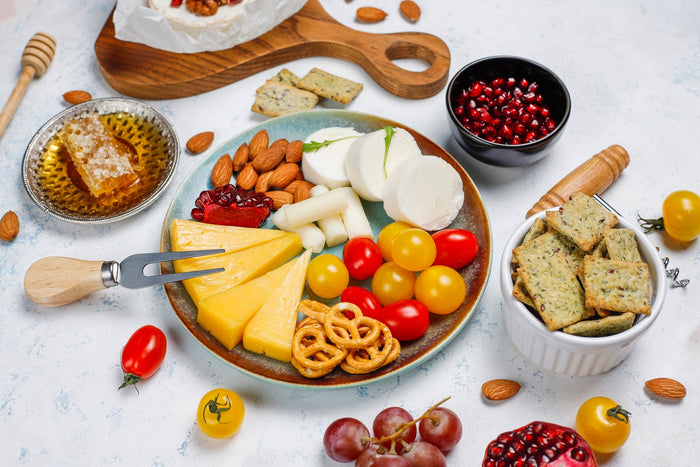
Charcuterie boards have evolved from a traditional French culinary art into a globally popular trend. Historically, these boards featured an array of meats and cheeses, designed to please the palate with a balance of flavors and textures. Today, charcuterie boards have expanded to include a variety of foods, catering to diverse taste preferences and dietary needs.
In the context of fitness and healthy snacking, charcuterie boards offer a versatile platform for creative meal preparation. They allow you to incorporate a wide range of nutrient-dense foods, transforming an ordinary snack into a gourmet experience. Whether you’re hosting a gathering or preparing a quick snack, a well-curated charcuterie board can be both aesthetically pleasing and nutritionally beneficial.
The flexibility of these boards means you can tailor them to your specific dietary goals. By focusing on protein-packed options, you can create a satisfying and energizing snack or meal component. This makes charcuterie boards an excellent choice for anyone looking to maintain a balanced diet while enjoying a variety of flavors.
Benefits of Protein-Packed Snacking
Protein is an essential macronutrient that plays a crucial role in building and repairing tissues, producing enzymes, and supporting immune function. Including sufficient protein in your diet can help sustain energy levels, reduce hunger, and promote muscle growth. Snacking on protein-rich foods is particularly beneficial for those with an active lifestyle or fitness goals.
When you choose protein-packed snacks, you not only help stabilize blood sugar levels but also enhance satiety, reducing the likelihood of overeating later. This can be especially helpful in weight management, as protein-rich foods are often more filling than their carbohydrate-heavy counterparts. By incorporating these snacks into your daily routine, you can support your body's needs and optimize your performance.
Protein-packed snacking doesn't have to be monotonous. With a charcuterie board, you can explore a range of protein sources, from lean meats and cheeses to plant-based options. This variety ensures that your snacks are not only nutritious but also enjoyable, preventing the boredom that can come with repetitive meals.
Key Components of a Protein-Packed Charcuterie Board
Creating a protein-packed charcuterie board involves selecting a balance of protein sources, complementary flavors, and appealing textures. Here are the key components to consider:
1. Protein Sources
-
Lean meats such as turkey, chicken, or lean cuts of beef.
-
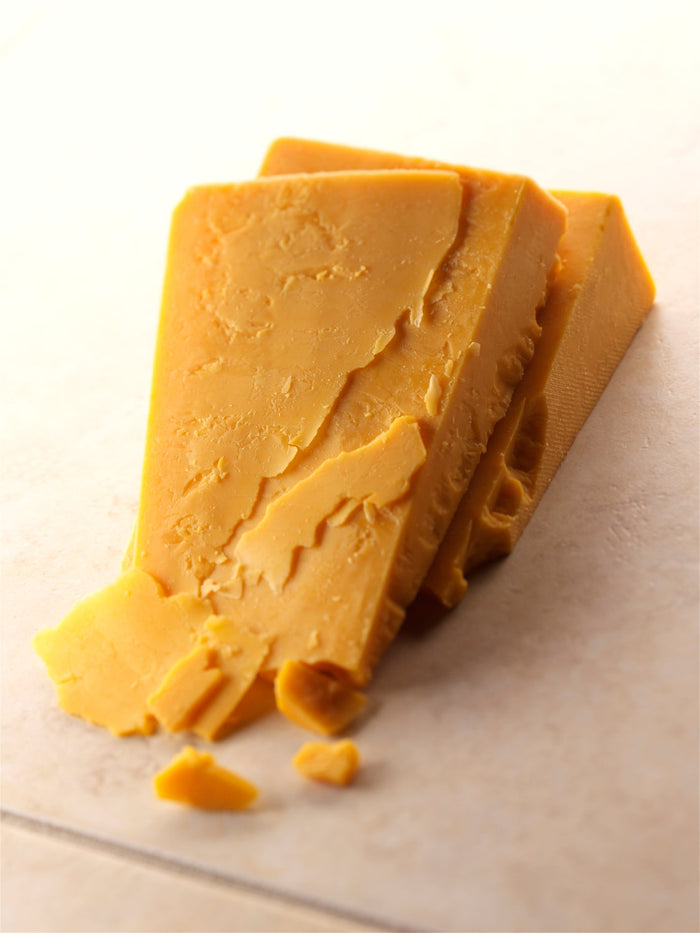
High-protein cheeses like cheddar, cottage cheese, or Greek yogurt.
-
Plant-based proteins such as tofu, tempeh, or edamame.
2. Complementary Elements
-
Fruits: Grapes, apples, and berries offer natural sweetness.
-
Vegetables: Carrot sticks, cucumber slices, and cherry tomatoes add crunch.
-
Nuts and seeds: Almonds, walnuts, and chia seeds provide healthy fats.
3. Dips and Spreads
-
Hummus, tzatziki, or avocado-based dips enhance flavor and texture.
-
Nut butters offer a creamy contrast to crunchy elements.
By carefully selecting and combining these components, you can create a balanced charcuterie board that is both nutritious and visually appealing.
25 Creative Charcuterie Board Ideas
To inspire your next protein-packed charcuterie board, here are 25 creative ideas, each designed to cater to different tastes and dietary preferences:
-
Mediterranean Delight: Grilled chicken skewers, feta cheese, olives, and roasted red peppers.
-
Classic Combo: Sliced turkey, aged cheddar, apple slices, and almonds.
-
Vegan Surprise: Marinated tofu, hummus, cherry tomatoes, and cucumbers.
-
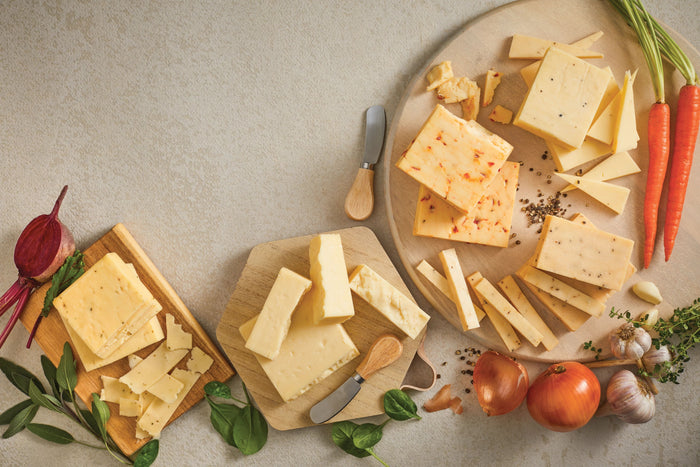
Cheese Lover’s Dream: Variety of high-protein cheeses, figs, and whole-grain crackers.
-
Spicy Kick: Spicy salami, jalapeño cheese, and bell pepper strips.
-
Seafood Special: Smoked salmon, cream cheese, capers, and lemon wedges.
-
Eastern Fusion: Teriyaki beef strips, edamame, and sesame rice crackers.
-
Sweet and Savory: Chicken breast, brie, grapes, and honey.
-
Nutty Affair: Peanut butter, banana slices, and dark chocolate chips.
-
Green Goddess: Spinach dip, broccoli florets, and avocado slices.
-
Fruit Fiesta: Cottage cheese, mango, and kiwi.
-
Italian Inspiration: Prosciutto, mozzarella balls, and cherry tomatoes.
-
Protein Powerhouse: Grilled shrimp, quinoa salad, and lemon wedges.
-
Tex-Mex Twist: Black bean dip, grilled chicken, and bell pepper strips.
-
Herbal Infusion: Herb-crusted chicken, basil leaves, and roasted red peppers.
-
Breakfast Boost: Hard-boiled eggs, turkey bacon, and whole-grain toast.
-
Berry Blast: Greek yogurt, mixed berries, and granola.
-
Chic and Crunchy: Cashew cheese, carrot sticks, and celery.
-
Asian Harmony: Wasabi peas, seared tuna, and pickled ginger.
-
Gourmet Gatherer: Venison jerky, sharp cheddar, and apple slices.
-
Middle Eastern Marvel: Falafel, tabbouleh, and tahini sauce.
-
Sunset Platter: Grilled halloumi, apricots, and pistachios.
-
Garden Grazer: Basil pesto, cherry tomatoes, and zucchini slices.
-
Nut Butter Nirvana: Almond butter, pear slices, and cinnamon.
-
Winter Wonderland: Roast beef, blue cheese, and cranberries.
These ideas cover a broad spectrum of flavors and dietary requirements, ensuring that there's something for everyone.
How to Assemble the Perfect Charcuterie Board
The assembly of the charcuterie board is as important as the selection of its components. Here are a few steps to guide you:
1. Start with a Foundation
-
Choose a large, flat surface like a wooden board or a marble slab.
-
Arrange small bowls or ramekins for dips and spreads.
2. Layer Your Proteins
-
Distribute your chosen proteins evenly across the board.
-
Create small clusters to maintain visual interest and balance.
3. Add Fruits and Vegetables
-
Place fruits and vegetables around the proteins to add color and texture.
-
Aim for a mix of colors to enhance visual appeal.
4. Incorporate Nuts and Seeds
-
Scatter nuts and seeds in small groups to fill in gaps.
-
This adds a crunchy texture and boosts nutritional value.
5. Finalize with Dips and Spreads
-
Position dips and spreads in the bowls you set earlier.
-
Ensure they are easily accessible for dipping.
By following these steps, you can create a charcuterie board that is not only delicious but also visually stunning and nutritionally balanced.
Tips for Pairing Proteins with Fruits and Veggies
Pairing proteins with fruits and vegetables can elevate the taste and nutritional profile of your charcuterie board. Here are some pairing tips to consider:
1. Balance Flavor Profiles
-
Pair salty proteins like prosciutto with sweet fruits such as melon.
-
Combine spicy proteins with cooling vegetables like cucumbers or carrots.
2. Consider Texture
-
Match creamy cheeses with crunchy vegetables for contrast.
-
Pair chewy meats with juicy fruits for a satisfying bite.
3. Nutritional Complementation
-
Add vitamin C-rich fruits to help with the absorption of iron from meats.
-
Combine healthy fats with protein for better satiety.
These principles can help you create harmonious flavor combinations that delight the palate and support your nutritional needs.
Dietary Considerations: Vegan and Vegetarian Options
For those following vegan or vegetarian diets, charcuterie boards can still be a delightful option. With a few adjustments, you can create a board that meets these dietary preferences:
1. Vegan Proteins
-
Opt for plant-based proteins such as tempeh, seitan, or marinated tofu.
-
Incorporate legumes like lentils or chickpeas for added protein.
2. Cheese Alternatives
-
Use nut-based cheeses or nutritional yeast for a cheesy flavor without dairy.
-
Experiment with fermented plant-based options for a tangy taste.
3. Variety of Vegetables and Fruits
-
Include a wide range of colorful fruits and vegetables to enhance taste and nutrition.
-
Use fresh herbs like basil and cilantro to add aroma and flavor.
By focusing on these components, you can create a satisfying and nourishing charcuterie board that aligns with vegan or vegetarian diets.
Incorporating Healthy Dips and Spreads
Dips and spreads can significantly enhance the flavor and texture of your charcuterie board. Here are some healthy options to consider:
1. Protein-Rich Options
-
Greek yogurt-based dips like tzatziki can boost protein content.
-
Hummus, made from chickpeas, offers a plant-based protein source.
2. Flavor Enhancers
-
Guacamole provides healthy fats and a creamy texture.
-
Salsa adds a zesty kick with minimal calories.
3. Herb-Infused Spreads
-
Use basil or cilantro pesto for a herbaceous flavor.
-
Incorporate roasted vegetable spreads for a smoky taste.
These dips and spreads can add variety and excitement to your charcuterie board, making it more enjoyable and nutritious.
Creative Themes for Your Charcuterie Boards
Themed charcuterie boards can add an element of fun and creativity to your snacking experience. Consider these theme ideas:
1. Seasonal Themes
-
Spring: Fresh herbs, asparagus, and strawberries.
-
Summer: Grilled vegetables, peaches, and fresh mozzarella.
-
Autumn: Roasted squash, cranberries, and spiced nuts.
-
Winter: Citrus fruits, roasted meats, and hearty cheeses.
2. Cultural Inspirations
-
Italian: Prosciutto, mozzarella, and sun-dried tomatoes.
-
Mexican: Black beans, avocado, and spicy salsa.
-
Middle Eastern: Falafel, olives, and hummus.
3. Holiday Celebrations
-
Halloween: Pumpkin seeds, cheddar cheese, and apple slices.
-
Christmas: Cranberries, smoked salmon, and brie.
These themes can guide your selection of ingredients, ensuring that your charcuterie board is not only delicious but also seasonally appropriate and visually cohesive.
Conclusion: Elevate Your Snacking Game
Charcuterie boards are a versatile and enjoyable way to incorporate more protein into your diet while exploring a variety of flavors and textures. Whether you're aiming for a protein-packed snack or a visually stunning centerpiece for a gathering, these boards offer endless possibilities.
By thoughtfully selecting and arranging your ingredients, you can create a balanced and nutritious charcuterie board that caters to your dietary preferences and goals. Don't hesitate to experiment with different combinations, themes, and presentations to find what works best for you.


Leave a comment